
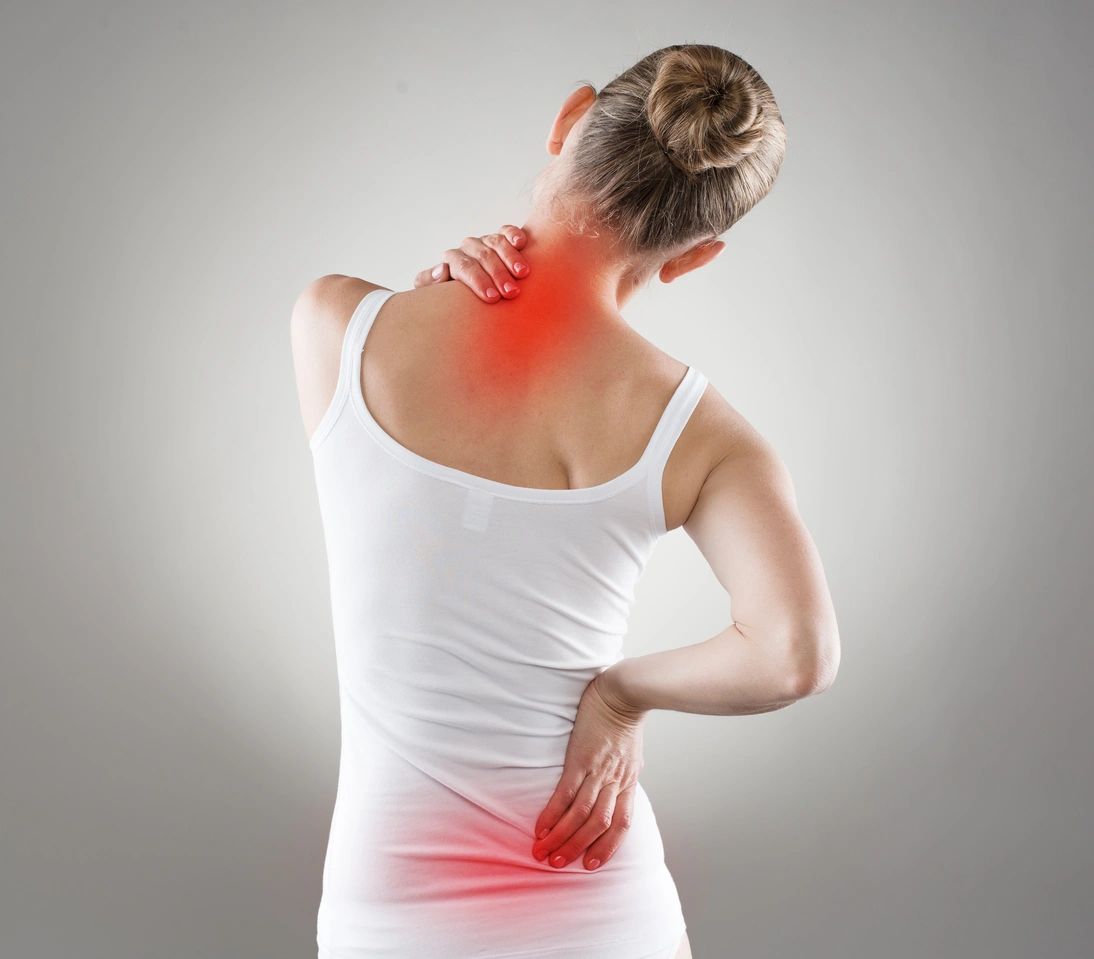
We’ve all been there — you crush a workout or push hard in a game, and the next day you wake up sore. Sometimes it’s just “good soreness,” the kind that fades as your body adapts. But sometimes that ache lingers, sharpens, or gets worse — and that’s when you may be dealing with more than simple muscle fatigue.
The Science of Soreness
When you train, especially if you increase volume or try something new, your muscles experience microtears. This creates inflammation and what’s known as Delayed Onset Muscle Soreness (DOMS). DOMS typically appears 12–24 hours after activity, peaks around 48–72 hours, feels achy and stiff — but usually improves with gentle movement and clears within 3–5 days.
Red Flags of an Injury
- Pain in a Joint, Not a Muscle — Achy knees, sharp ankle pain, or shoulder discomfort may indicate structural injury.
- Swelling or Bruising — Soreness doesn’t cause swelling. If you notice puffiness or discoloration, something’s wrong.
- Sharp, Stabbing, or Radiating Pain — DOMS feels dull. If your pain is sharp or shoots down your limb, it’s likely not soreness.
- Pain That Gets Worse With Rest — Normal soreness eases up. Injury pain lingers or worsens, especially at night.
- Loss of Strength or Function — If you suddenly can’t lift weight or push off a leg without pain, get checked.
Why Early Diagnosis Matters
The biggest mistake we see at APX is athletes “waiting it out.” By the time they walk through our doors, what started as a small stress injury has progressed into something more serious. At APX Health, we use point-of-care ultrasound to evaluate muscles, tendons, ligaments, and joints in real time — no waiting weeks for an MRI. That means faster answers and a clear plan forward.
What You Can Do at Home
- Follow the 48-Hour Rule: If pain doesn’t start improving within 48 hours, it may not be soreness.
- Check for Swelling: DOMS doesn’t swell. If it does, seek care.
- Modify, Don’t Ignore: Scale back intensity, but don’t ignore symptoms.
- Track Recovery: Pain that improves each day = soreness. Pain that plateaus or worsens = possible injury.
Pushing your body is part of being active. But knowing the difference between soreness and injury is what keeps you in the game. When in doubt, get it checked — it’s always easier to treat a small problem than a big one.