When you’re an active individual, an injury can feel like a major setback. Getting an accurate diagnosis quickly is crucial to getting back to the activities you love. That’s where diagnostic ultrasound comes in — offering a fast, effective, and non-invasive solution to diagnose your sports injury.
What Is Diagnostic Ultrasound?
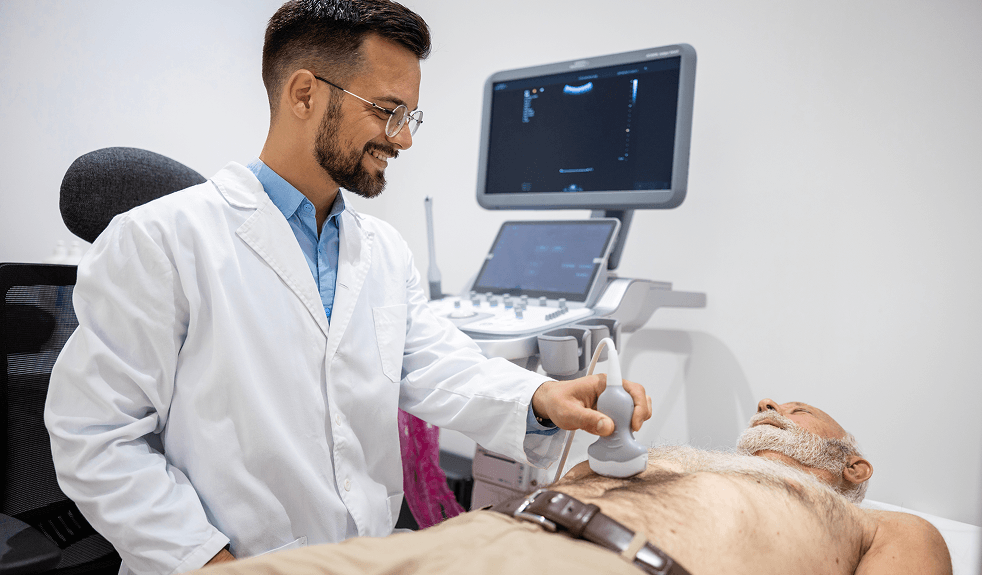
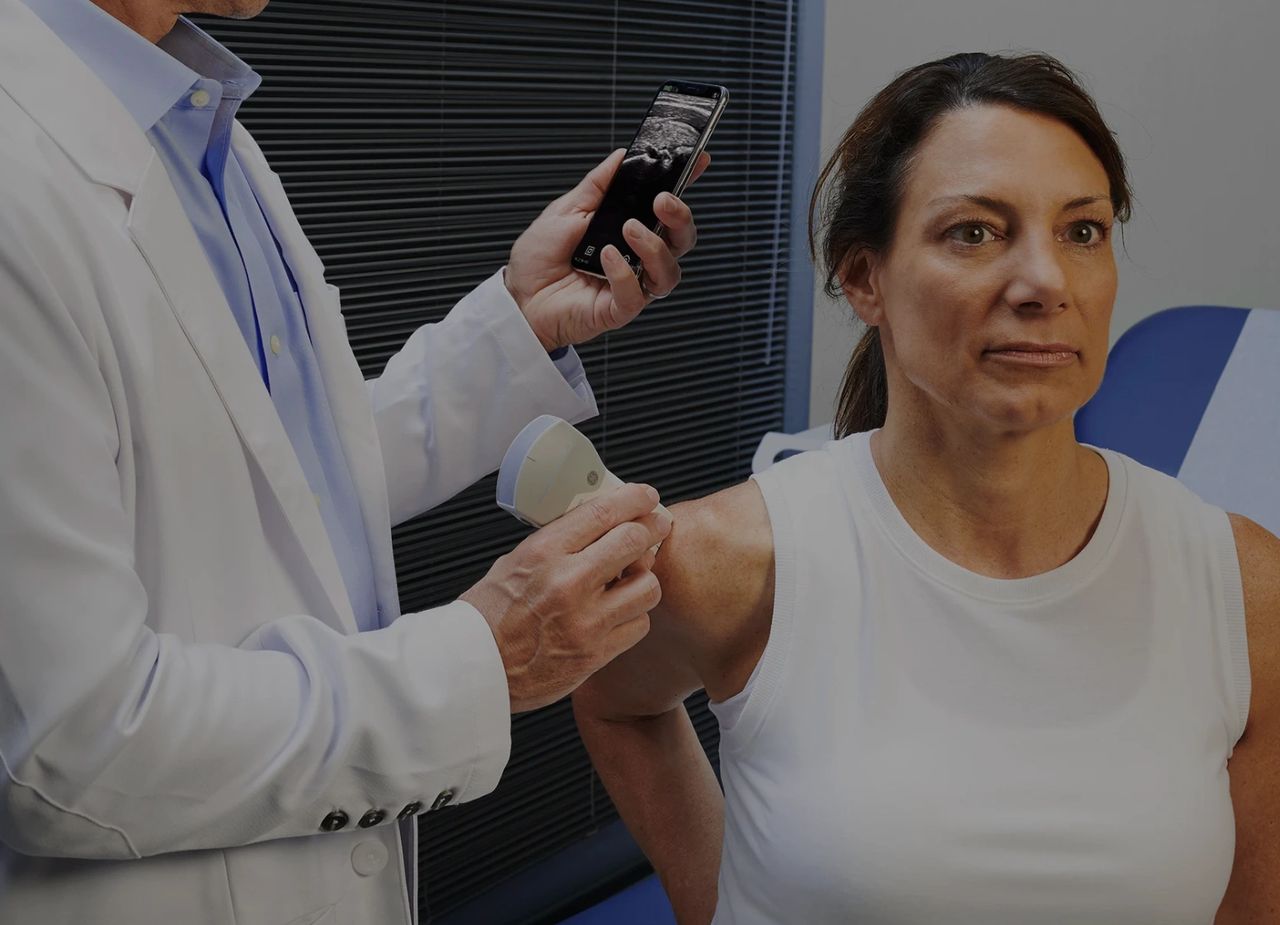
Diagnostic ultrasound uses high-frequency sound waves to create detailed images of muscles, tendons, ligaments, and joints in real time. Unlike X-rays, which are primarily useful for visualizing bones, ultrasound allows us to see soft tissues — making it ideal for diagnosing strains, sprains, tears, and inflammation.
Benefits of Ultrasound in Sports Medicine
- Real-Time Imaging — We can perform dynamic tests, moving the injured joint to see how it responds. This gives more accurate assessments than static MRI images.
- Fast and Convenient — Imaging is performed the same day as your visit, allowing for immediate diagnosis and treatment planning.
- No Radiation Exposure — Ultrasound is safe for repeated use, which is important for athletes needing multiple evaluations.
- Guided Injections — Ultrasound guides corticosteroid or PRP injections to ensure precise delivery to the affected area.
Common Injuries Diagnosed with Ultrasound
- Tendon injuries: Achilles tendinitis, tennis elbow
- Ligament tears: Sprains in the ankle or knee
- Muscle strains: Extent of injury and best course of treatment
- Joint inflammation: Bursitis and joint effusions
- Rotator cuff injuries: Tears or inflammation in shoulder tendons
A Personalized Approach to Diagnosis and Treatment
At APX Health, we use diagnostic ultrasound to tailor your treatment plan based on your specific injury and anatomy. Once we have a clear picture of the issue, we’ll work with you to develop a treatment plan — whether that’s physical therapy, bracing, injections, or other non-surgical interventions — designed to get you back to peak performance.
If you’re dealing with a sports injury or chronic pain and want a fast, accurate diagnosis, schedule a consultation with us. Our advanced ultrasound technology allows us to provide an efficient, comfortable evaluation so you can focus on what matters most — your recovery.